

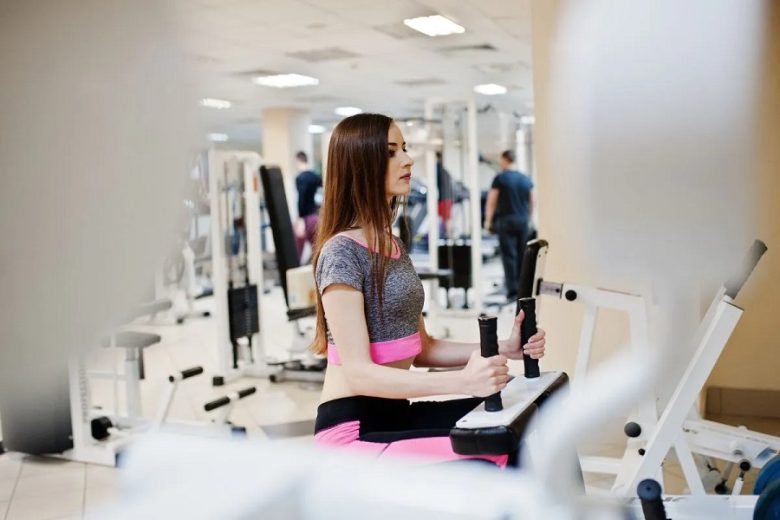
Choosing the best gym in singapore requires more than confirming that the desired machines appear in promotional photographs. Equipment has practical value only when members can access it at the times they are realistically available to train.
Peak-hour testing reveals waiting times, substitution options, member etiquette and the relationship between facility size and demand. A gym that looks impressive during a quiet afternoon may operate very differently after work.
Identify Essential Equipment First
Members should begin with their actual programme rather than a general equipment wish list. A strength plan may depend on racks, benches, cables and specific loading options.
A cardio-focused member may care more about bikes, treadmills or rowers. Someone attending classes may need only a smaller selection of supporting equipment.
Not every machine deserves equal importance. Identifying five or six essential stations makes the trial easier to evaluate.
The question is whether the programme can be completed, not whether the facility owns every possible machine.
Visit at the Intended Training Time
A midday tour provides limited information for someone who will train at 7pm. Members should visit during their likely before-work, lunchtime or evening slot.
Facilities associated with TFX Singapore can be assessed according to the member’s real schedule. Observing demand at the correct time is more useful than relying on general descriptions of busy periods.
The member should allow enough time to complete a representative workout. Walking through the gym for ten minutes may not reveal how equipment turnover works.
Realistic testing reduces surprises after joining.
Measure Waiting Without Becoming Impatient
Shared equipment will occasionally be occupied. The issue is whether waiting remains reasonable and predictable.
Members can note how long popular stations remain unavailable and whether people allow others to work in. They should also observe whether queues form informally around specific machines.
One delayed exercise does not prove that the gym is unsuitable. Repeated delays across essential movements provide more meaningful evidence.
The trial should reflect normal use rather than a search for a flawless experience.
Look for Useful Duplication
A large number of machines does not guarantee access. Duplication of heavily used equipment often matters more than the total equipment count.
Multiple racks, benches, cable stations or similar cardio machines can reduce peak-hour congestion. The units do not need to be identical if they support the same training goal.
Members should also consider loading options. Several benches provide limited value if suitable dumbbells or plates are consistently unavailable.
Equipment quantity and supporting resources need to be assessed together.
Prepare Programme-Based Substitutions
A good training plan includes alternatives. If one chest press machine is occupied, a suitable dumbbell or cable variation may maintain the intended movement.
The substitute should serve a similar purpose without creating a completely different session. Randomly selecting any empty machine produces inconsistency.
Members can test whether the gym offers two or three practical options for essential movement patterns. This provides flexibility when demand changes.
A facility with strong substitution depth may outperform one with a larger but less useful collection.
Evaluate Equipment Placement
Access is influenced by location as well as quantity. Popular stations positioned in narrow areas can create congestion around walkways and storage.
Members should notice whether they can load equipment safely, place personal items appropriately and move between exercises without crossing the entire facility.
Logical training zones improve session flow. Poor placement can make available equipment inconvenient to use.
The relationship between racks, plates, benches and free weights deserves particular attention.
Observe Member Etiquette
Equipment access depends partly on how members behave. Long phone use, unclear queuing and failure to return weights can reduce capacity.
Staff policies and visible reminders may encourage considerate sharing. However, members also need to communicate respectfully when asking to work in.
A busy gym with cooperative members can function efficiently. A less crowded facility may still feel frustrating when equipment is treated as private territory.
The social environment is therefore part of the access test.
Check Maintenance and Downtime
A machine listed on the website may be temporarily unavailable because of maintenance. Occasional downtime is normal, but repeated issues reduce practical capacity.
Members should observe whether damaged equipment is clearly marked and whether repairs appear to be managed promptly. They can also ask how maintenance concerns are reported.
A large inventory is less valuable when several important stations remain unusable.
Equipment condition should be judged alongside quantity.
Test the Full Session Flow
The member should complete exercises in the normal order where possible. This reveals whether access problems cluster around a particular part of the workout.
If the programme requires constant reordering, the member should consider whether the changes affect performance. Moving accessories is usually easier than moving a technical primary lift.
The trial can also reveal how long transitions take. A facility may have all necessary equipment but require excessive travel between zones.
Session flow connects access with available time.
Consider Class and Gym-Floor Demand Together
Group classes can change equipment demand before and after scheduled sessions. Members may enter the gym floor simultaneously, creating short periods of congestion.
The member should review class times even if they do not plan to attend. These schedules can influence changing rooms, lockers and nearby equipment.
Those combining classes with strength training need to understand both systems. Booking success does not guarantee smooth access afterwards.
A complete peak-hour test includes the wider facility rhythm.
Review Access Across More Than One Visit
One evening may be unusually quiet or busy. If the membership represents a substantial commitment, visiting more than once provides stronger evidence.
Different weekdays can also produce different patterns. Monday evenings may not resemble Friday mornings.
Members can compare whether the same essential equipment remains consistently accessible. Repeated observations reduce the influence of chance.
A confident decision should rely on patterns rather than one moment.
Match Access to the Programme
The best equipment list is not the longest one. It is the list a member can use consistently within their available training window.
Peak-hour testing reveals whether popular stations are duplicated, substitutions are practical and session flow remains manageable. It also shows how maintenance and etiquette affect real capacity.
A gym should be evaluated as an operating environment, not an equipment showroom. When access supports the programme under realistic conditions, the membership is more likely to deliver lasting value.