

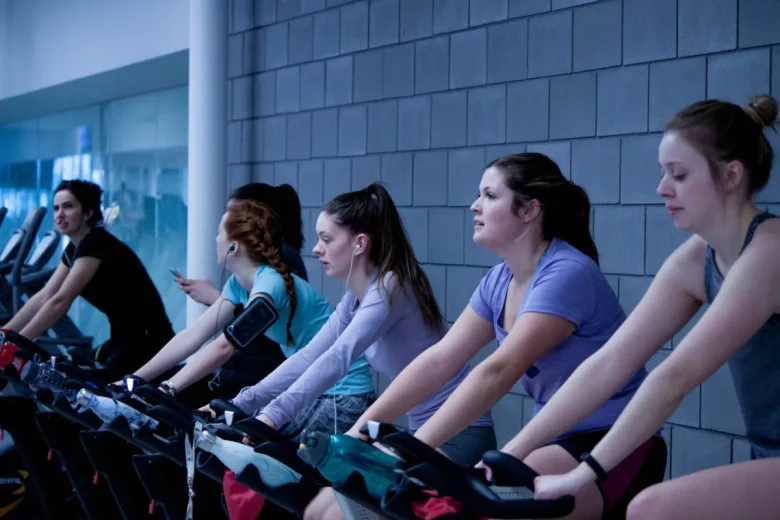
Most people who sign up for their first spinning class are thinking about one thing: burning calories. And while the calorie burn from a solid RPM session is genuinely impressive, the real story of what spinning does to your body goes much deeper. At a hormonal and metabolic level, regular indoor cycling triggers a cascade of biological changes that affect everything from your stress response and sleep quality to your insulin sensitivity and long-term body composition.
Understanding the science behind these effects does not require a medical degree. It does, however, require moving past the surface-level conversation about cardio and calories and looking at what is actually happening inside your body when you clip in, crank up the resistance, and push through a 45-minute spinning classes session.
Cortisol: The Double-Edged Stress Hormone
Cortisol is your body’s primary stress hormone, produced by the adrenal glands in response to both psychological stress and physical exertion. When you begin a spinning session and your heart rate climbs, cortisol levels rise. This is entirely normal and is part of the acute stress response that allows your body to mobilise energy quickly during exercise.
The important distinction is between acute cortisol elevation during exercise and chronically elevated cortisol from unmanaged psychological stress. Acute exercise-induced cortisol spikes are beneficial. They help break down stored glycogen for fuel, maintain blood pressure during exertion, and are followed by a significant drop in cortisol levels post-exercise. This post-exercise cortisol decline is one of the mechanisms by which regular aerobic exercise reduces overall stress levels over time.
Singaporeans are no strangers to high-pressure environments. Long working hours, financial stress, and the demands of urban living keep many people in a state of low-grade chronic cortisol elevation. Regular spinning sessions act as a physiological reset button, training the body to handle stress more efficiently and recover from it more quickly. Over time, habitual exercisers develop a more regulated cortisol response, meaning they experience lower cortisol spikes from everyday stressors compared to sedentary individuals.
The key caveat is session intensity and recovery. Extremely high-intensity spinning sessions done too frequently without adequate rest can actually contribute to cortisol dysregulation. This is why a balanced schedule of two to four sessions per week with proper rest days is more effective hormonally than daily maximum-effort rides.
Dopamine and the Post-Spin Mood Lift
If you have ever walked out of a spinning class feeling unreasonably happy given how exhausted you are, dopamine is a significant reason why. Dopamine is a neurotransmitter associated with motivation, reward, and pleasure. Physical exercise, particularly rhythmic, music-driven exercise like spinning, is one of the most potent natural triggers for dopamine release.
The group environment amplifies this effect. Exercising alongside others, being carried by a driving music playlist, and receiving encouragement from a skilled instructor all compound the neurochemical reward. Research in exercise psychology has consistently shown that group fitness participants report higher enjoyment and post-exercise mood scores compared to those who exercise alone.
Endorphins also play a role in the post-spin glow. These are the brain’s natural painkillers, released in response to sustained physical effort. The combination of dopamine and endorphin release after a spinning class creates a natural mood elevation that can last for several hours. For people managing mild depression or anxiety, this neurochemical response is not trivial. It is one of the reasons exercise is consistently recommended alongside other treatments for mood disorders.
Serotonin and Sleep Quality
Serotonin, another key neurotransmitter, is produced in greater quantities in response to regular aerobic exercise. Serotonin is a precursor to melatonin, the hormone that regulates sleep. Regular spinning sessions, particularly those held in the morning or early afternoon, can therefore contribute to improved sleep onset and sleep quality.
This is especially relevant for Singaporeans, where sleep deprivation is a well-documented public health concern. Many office workers report difficulty falling asleep despite being physically tired, which is often a sign of an overstimulated nervous system and insufficient serotonin activity. Establishing a regular spinning routine can help recalibrate the sleep-wake cycle over several weeks.
Morning RPM sessions are particularly effective for this purpose. Early exercise raises core body temperature during the session, which then drops in the hours following exercise, mimicking the natural temperature drop that signals to the brain that it is time to sleep. This thermoregulatory effect, combined with increased serotonin production, makes morning spinning a surprisingly powerful tool for improving nighttime sleep.
Insulin Sensitivity and Metabolic Health
Insulin is the hormone that allows your cells to absorb glucose from the bloodstream for energy. When cells become resistant to insulin, glucose builds up in the blood and the body compensates by producing more insulin. Over time, this leads to weight gain, metabolic syndrome, and eventually type 2 diabetes, which is a growing concern in Singapore’s population.
Aerobic exercise like indoor cycling is one of the most effective interventions for improving insulin sensitivity. During a spinning session, your working muscles draw glucose directly from the bloodstream for fuel, bypassing the need for insulin in this acute phase. Over time, consistent aerobic exercise upregulates the number and sensitivity of insulin receptors on muscle cells, meaning your body requires less insulin to manage the same amount of blood glucose.
This has profound implications for metabolic health. Improved insulin sensitivity means more stable blood sugar levels throughout the day, reduced fat storage (particularly visceral fat around the abdomen), lower cardiovascular risk, and more consistent energy levels without the blood sugar crashes that contribute to afternoon fatigue and carbohydrate cravings.
Adrenaline, Growth Hormone, and Body Composition
During high-intensity intervals in a spinning class, your body releases adrenaline (epinephrine), which accelerates heart rate and mobilises fat stores for fuel. This is why interval-based spinning sessions are particularly effective for fat loss compared to steady-state cardio. The repeated spikes and recoveries of intensity force your body to draw on multiple energy systems and keep your metabolism elevated not just during the session but for up to 24 hours afterward. This is known as excess post-exercise oxygen consumption, or EPOC.
Growth hormone, which plays a role in muscle repair, fat metabolism, and cellular regeneration, is also released in response to high-intensity exercise. Regular spinning sessions that include intervals and resistance challenges stimulate meaningful growth hormone secretion, contributing to improved body composition over time, specifically more lean muscle mass and less body fat.
The Metabolic Afterburn Effect
One of the most valuable metabolic effects of spinning is the afterburn that follows an intense session. Your body continues to consume oxygen at an elevated rate after exercise to restore itself to its pre-exercise state. This process, driven by the need to replenish glycogen stores, clear lactate from the muscles, and reduce core temperature, burns additional calories in the six to twenty-four hours following a spinning class.
The more intense the session, the more pronounced the afterburn. This is why a 45-minute RPM class that includes genuine hill climbs and sprint intervals will produce a different metabolic outcome to the same duration of light pedalling. Instructors at True Fitness Singapore are trained to programme sessions that balance intensity and recovery within a single class, maximising this afterburn effect while keeping the workout sustainable.
Hormonal Consistency Requires Routine
The hormonal benefits described above are not one-time effects. They accumulate and compound with regular practice. A person who spins three times a week for three months will have measurably different cortisol regulation, insulin sensitivity, and baseline dopamine tone compared to someone who has just started. This is why the commitment to a routine matters more than the heroics of any single session.
Starting gradually, building consistency, and allowing the body to adapt over weeks rather than demanding immediate results is the approach that produces lasting hormonal and metabolic transformation.
FAQ
Q. Will spinning classes help me lose belly fat specifically? A. Spot reduction is not physiologically possible, meaning you cannot target fat loss to a specific body part through exercise. However, spinning is highly effective at reducing overall body fat, including visceral abdominal fat, which is the metabolically dangerous fat stored around the organs. Improved insulin sensitivity from regular spinning is particularly effective at reducing this type of fat over time.
Q. How soon will I notice hormonal and mood benefits from spinning? A. Many people notice improved mood and reduced stress within the first two to three weeks of regular spinning. Sleep improvements often follow within a month. Measurable metabolic changes such as improved insulin sensitivity typically become apparent after six to eight weeks of consistent training.
Q. Is it normal to feel extremely tired after a spinning class rather than energised? A. In the first few sessions, fatigue is common as your body adapts to the new demands. Once your cardiovascular fitness improves, you will likely transition to feeling energised after class rather than depleted. If persistent fatigue continues after several weeks, it may indicate that you are overtraining or not recovering properly with adequate sleep and nutrition.
Q. Does spinning at night affect sleep negatively? A. Evening spinning sessions do raise adrenaline and core temperature, which can make it harder to fall asleep if the class is within two to three hours of bedtime. If you can only exercise in the evening, allow at least ninety minutes between the end of your session and your intended bedtime, and consider a cool shower afterward to help lower core temperature.
Q. Can spinning help with hormonal imbalances related to PCOS? A. Polycystic ovary syndrome is frequently associated with insulin resistance, and regular aerobic exercise like spinning has been shown in clinical research to improve insulin sensitivity and support healthier androgen levels in women with PCOS. Spinning is not a standalone treatment, but it is a meaningful and evidence-based complementary approach that many gynaecologists recommend alongside dietary and medical management.