

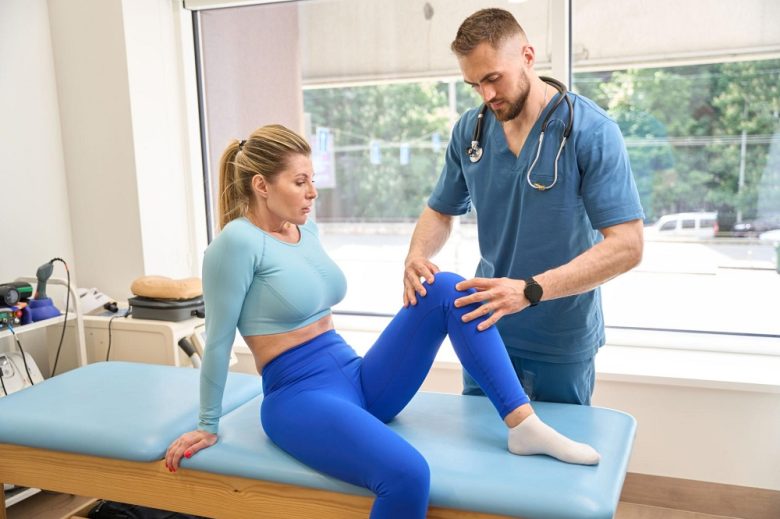
Understanding Knee Osteoarthritis
Knee osteoarthritis is one of the most common causes of joint pain and reduced mobility in adults, especially after midlife. It develops when the protective cartilage that cushions the knee joint gradually wears down. As cartilage becomes thinner, bones begin to rub together, leading to stiffness, inflammation, swelling, and discomfort during movement.
Although osteoarthritis cannot be completely reversed, many evidence based treatments can reduce pain, improve joint function, and slow progression. Effective care usually combines lifestyle strategies, physical therapy, medications, and in some cases medical procedures.
Understanding the available treatment options helps individuals make informed decisions that support long term mobility and quality of life.
Common Symptoms of Knee Osteoarthritis
Symptoms often develop gradually and may worsen over time without treatment.
Typical signs include:
- Joint stiffness after rest
- Pain during walking or climbing stairs
- Swelling around the knee
- Reduced flexibility
- Grinding sensations during movement
- Weakness in surrounding muscles
Recognizing symptoms early allows treatment to begin before joint damage becomes more severe.
Why Evidence Based Treatment Matters
Evidence based treatments are supported by scientific research and clinical guidelines. These approaches have been carefully studied for safety and effectiveness.
Using evidence based care helps:
- Reduce unnecessary procedures
- Improve pain management outcomes
- Support joint function longer
- Lower risk of complications
- Increase confidence in treatment decisions
Most treatment plans include both non surgical and surgical options depending on severity.
Exercise as a First Line Treatment
Exercise is widely recognized as one of the most effective treatments for knee osteoarthritis pain. Strengthening muscles around the knee improves joint stability and reduces pressure on cartilage.
Recommended exercise types include:
Strength training
Building quadriceps and hamstring strength supports joint alignment.
Low impact aerobic activity
Examples include walking, cycling, and swimming.
Flexibility training
Stretching improves joint range of motion and reduces stiffness.
Balance exercises
Improved coordination reduces fall risk and supports stability.
Regular physical activity reduces pain sensitivity and improves functional movement over time.
Weight Management Reduces Joint Stress
Body weight directly influences knee joint pressure. Even small reductions in body weight can significantly reduce discomfort.
Weight management benefits include:
- Lower joint load during walking
- Reduced inflammation
- Improved mobility
- Better treatment outcomes
Research shows that reducing body weight by even a modest percentage can noticeably decrease knee pain severity.
Combining exercise with balanced nutrition supports long term weight control.
Physical Therapy Improves Joint Function
Physical therapy programs are designed to strengthen muscles, improve movement patterns, and protect joint structures.
Therapists often provide:
- Guided strengthening routines
- Joint mobility exercises
- Posture correction strategies
- Walking pattern adjustments
- Home exercise plans
Individualized therapy programs help people perform movements safely while maintaining independence.
Consistent therapy participation often leads to measurable improvements in pain and mobility.
Activity Modification Protects the Knee Joint
Changing how daily activities are performed reduces stress on the knee.
Helpful adjustments include:
- Using supportive footwear
- Avoiding prolonged standing
- Taking movement breaks during long tasks
- Choosing low impact exercise options
- Using handrails when climbing stairs
These strategies help preserve joint health while maintaining active lifestyles.
Assistive Devices Provide Additional Support
Assistive devices can reduce pain by improving joint alignment and stability.
Common options include:
Knee braces
Braces support joint positioning and reduce pressure on affected areas.
Walking canes
Using a cane decreases weight placed on the painful knee.
Orthotic shoe inserts
These improve walking mechanics and distribute pressure more evenly.
Assistive devices are especially useful during flare ups or extended walking periods.
Medication Options for Pain Relief
Several medications help manage knee osteoarthritis symptoms.
Common evidence based options include:
Topical anti inflammatory medications
These are applied directly to the skin over the knee.
Oral anti inflammatory medications
These reduce swelling and pain throughout the body.
Acetaminophen
This may help relieve mild to moderate discomfort.
Medication choice depends on overall health history and symptom severity.
Healthcare providers typically recommend using the lowest effective dose for the shortest necessary duration.
Injections That Support Pain Reduction
Injection therapies may help when exercise and medications provide limited relief.
Evidence supported injection options include:
Corticosteroid injections
These reduce inflammation and improve short term comfort.
Hyaluronic acid injections
These improve joint lubrication in some individuals.
Injection treatments are usually considered when conservative strategies alone are not sufficient.
They are typically combined with exercise and physical therapy for best results.
The Role of Heat and Cold Therapy
Simple home based treatments can support pain management between medical visits.
Heat therapy helps:
- Relax muscles
- Improve circulation
- Reduce stiffness
Cold therapy helps:
- Decrease swelling
- Reduce inflammation
- Provide short term pain relief
Alternating heat and cold therapy can improve comfort during symptom flare ups.
Lifestyle Habits That Support Joint Health
Daily habits influence osteoarthritis symptoms more than many people realize.
Supportive habits include:
- Maintaining regular activity levels
- Avoiding prolonged inactivity
- Practicing stretching routines
- Eating balanced meals
- Staying hydrated
Healthy routines improve circulation and reduce joint stiffness throughout the day.
Consistency plays an important role in long term symptom control.
When Surgical Treatment Becomes Appropriate
Surgery is usually considered when non surgical treatments no longer provide adequate relief.
Common surgical options include:
Arthroscopic procedures
These are less commonly recommended for osteoarthritis but may be appropriate in selected cases.
Partial knee replacement
This replaces only damaged portions of the joint.
Total knee replacement
This procedure replaces the entire joint surface with artificial components.
Joint replacement surgery has strong evidence supporting improved mobility and reduced pain in advanced osteoarthritis cases.
Recovery often includes structured rehabilitation programs.
The Importance of Early Treatment Planning
Early treatment slows osteoarthritis progression and improves long term outcomes.
Benefits of early intervention include:
- Better mobility preservation
- Reduced inflammation
- Lower pain severity
- Improved muscle strength
- Delayed need for surgery
Starting treatment soon after symptoms appear increases the likelihood of maintaining independence.
Healthcare providers typically recommend combining multiple treatment approaches for best results.
Long Term Strategies for Managing Knee Osteoarthritis Pain
Managing osteoarthritis requires ongoing attention rather than short term treatment alone.
Effective long term strategies include:
- Maintaining consistent exercise routines
- Monitoring body weight
- Using assistive devices when needed
- Participating in physical therapy programs
- Following medical guidance regularly
Combining these approaches improves daily function and supports joint health across many years.
Evidence based care allows individuals to stay active and maintain quality of life even with chronic knee osteoarthritis.
Frequently Asked Questions About Evidence Based Treatment Options for Knee Osteoarthritis Pain
Can knee osteoarthritis pain improve without surgery
Yes. Many individuals successfully manage symptoms through exercise, physical therapy, medications, and lifestyle adjustments without requiring surgery.
Is walking safe for people with knee osteoarthritis
Yes. Walking is generally considered a safe low impact activity that supports joint mobility when performed at a comfortable pace.
Do supplements help reduce knee osteoarthritis pain
Some supplements may provide benefit for certain individuals, but results vary and should be discussed with healthcare providers before use.
How long do corticosteroid injections usually provide relief
Pain relief duration varies but commonly lasts several weeks to a few months depending on individual response.
Can knee braces be worn during exercise
Yes. Supportive braces may improve alignment and comfort during activity when recommended by healthcare professionals.
Does strengthening surrounding muscles reduce joint damage progression
Strengthening muscles improves joint stability and reduces mechanical stress, which helps protect the knee over time.
When should someone consult a specialist for knee osteoarthritis symptoms
Medical evaluation is recommended if pain limits daily activities, worsens over time, or does not improve with basic home care strategies.