

Understanding How Breathing Influences Stress Levels
Stress affects both the body and the mind. It influences heart rate, muscle tension, sleep quality, concentration, digestion, and emotional balance. While stress cannot always be avoided, natural techniques such as yoga breathing can help the body respond more calmly to daily challenges.
Yoga breathing techniques, often known as controlled breathing practices, support relaxation by activating the body’s recovery system. These techniques slow the heart rate, improve oxygen delivery, and reduce stress hormone levels. Practiced regularly, they help restore balance and improve mental clarity.
This article explains how yoga breathing supports natural stress relief and introduces practical techniques that can be safely included in daily routines.
What Makes Yoga Breathing Different from Regular Breathing
Most people breathe automatically without paying attention to rhythm or depth. During stressful situations, breathing often becomes shallow and fast, which increases tension in the body.
Yoga breathing techniques focus on:
- Controlled inhalation and exhalation
- Awareness of breath movement
- Balanced breathing patterns
- Relaxed posture during practice
These adjustments improve nervous system regulation and help the body shift away from stress responses.
Practicing structured breathing regularly strengthens the body’s ability to remain calm during demanding situations.
How Breathing Affects the Nervous System
The nervous system controls how the body reacts to stress. When individuals feel pressure or anxiety, the body activates alert responses that prepare for immediate action. While helpful in emergencies, this response can become harmful when it remains active for long periods.
Yoga breathing supports the nervous system by:
- Slowing heart rate
- Relaxing muscles
- Improving oxygen circulation
- Reducing tension signals sent to the brain
- Supporting emotional stability
These changes help the body return to a balanced state more quickly after stressful experiences.
Benefits of Practicing Yoga Breathing for Stress Relief
Regular breathing practice offers both short term and long term benefits.
Common improvements include:
Reduced muscle tension
Slow breathing relaxes tight areas in the neck, shoulders, and back.
Improved emotional balance
Breathing techniques stabilize mood and reduce irritability.
Better concentration
Controlled breathing increases oxygen supply to the brain.
Improved sleep quality
Relaxation responses support deeper rest.
Lower stress hormone levels
Consistent practice reduces the body’s stress signals.
These benefits make breathing techniques one of the most accessible tools for natural stress management.
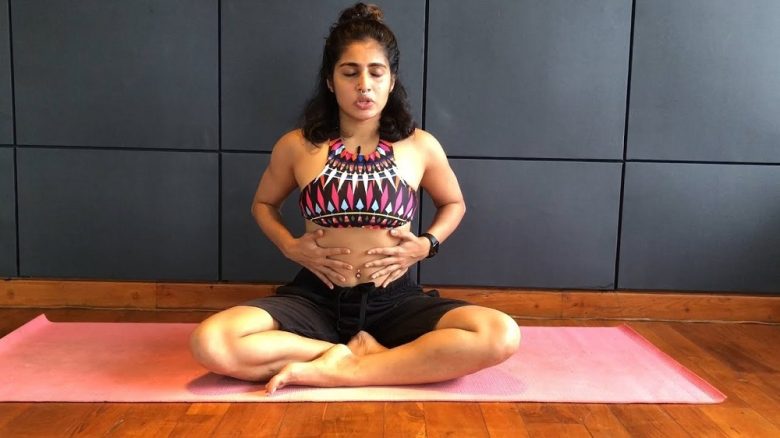
Diaphragmatic Breathing for Deep Relaxation
Diaphragmatic breathing encourages full lung expansion and improves oxygen exchange.
To practice diaphragmatic breathing:
- Sit comfortably with relaxed shoulders
- Place one hand on the abdomen
- Inhale slowly through the nose
- Allow the abdomen to rise
- Exhale gently through the nose or mouth
- Repeat several times at a steady pace
This technique helps reduce tension and supports calm thinking.
Practicing diaphragmatic breathing daily strengthens the body’s natural relaxation response.
Alternate Nostril Breathing for Emotional Balance
Alternate nostril breathing supports mental focus and emotional stability by balancing breathing patterns between both sides of the body.
Steps include:
- Sit in a comfortable upright position
- Close one nostril gently
- Inhale through the open nostril
- Switch nostrils
- Exhale slowly
- Continue alternating sides
This technique improves attention and reduces restlessness.
Practicing regularly helps regulate breathing rhythm and supports nervous system stability.
Equal Ratio Breathing for Consistent Calmness
Equal ratio breathing involves inhaling and exhaling for the same length of time.
Practice steps include:
- Sit upright comfortably
- Inhale slowly while counting evenly
- Exhale for the same count length
- Maintain steady rhythm
- Continue for several minutes
Balanced breathing patterns help stabilize heart rate and improve concentration.
This technique is especially helpful during busy workdays or before important tasks.
Extended Exhalation Breathing for Stress Reduction
Lengthening the exhalation phase signals the body to relax more deeply.
To practice extended exhalation breathing:
- Inhale slowly through the nose
- Exhale slightly longer than the inhale
- Keep shoulders relaxed
- Maintain steady rhythm
Longer exhalations activate relaxation responses and reduce physical tension.
This technique is useful before sleep or after stressful situations.
Cooling Breath Techniques for Mental Refreshment
Certain breathing practices create a cooling sensation that helps calm the body during stress.
Cooling breath practice includes:
- Sitting comfortably
- Inhaling slowly through the mouth
- Exhaling through the nose
- Maintaining gentle breathing rhythm
This technique helps reduce overheating sensations often associated with stress responses.
It also supports mental clarity during demanding tasks.
Morning Breathing Practices for Stress Prevention
Starting the day with breathing exercises improves emotional stability before daily responsibilities begin.
Morning breathing routines help:
- Increase alertness
- Improve focus
- Reduce early tension
- Support steady energy levels
Practicing breathing exercises shortly after waking prepares the body for balanced responses throughout the day.
Even short sessions can improve mental readiness.
Evening Breathing Practices for Relaxation and Sleep Support
Evening breathing routines prepare the body for restful sleep and recovery.
Helpful evening breathing strategies include:
- Slow diaphragmatic breathing
- Equal ratio breathing
- Extended exhalation breathing
These techniques reduce muscle tension and improve sleep preparation.
Consistent evening practice improves long term sleep quality.
Better sleep strengthens the body’s ability to manage stress effectively.
How Posture Influences Breathing Effectiveness
Proper posture improves breathing efficiency and relaxation results.
Helpful posture habits include:
- Sitting upright comfortably
- Relaxing shoulders
- Keeping the neck aligned
- Allowing the chest to expand naturally
Poor posture restricts lung expansion and reduces breathing effectiveness.
Improved posture supports deeper breathing and stronger stress relief outcomes.
Creating a Daily Breathing Routine for Long Term Stress Relief
Consistency is more important than session length when practicing breathing techniques.
A simple routine may include:
Morning breathing practice
Supports alertness and emotional balance
Midday breathing session
Restores concentration during busy schedules
Evening breathing routine
Encourages relaxation before sleep
Practicing regularly strengthens the nervous system’s ability to recover from stress naturally.
Daily breathing routines provide lasting improvements in emotional stability and physical relaxation.
Frequently Asked Questions About Yoga Breathing Techniques for Stress Relief Naturally
How long should breathing sessions last for stress relief benefits
Short sessions lasting five to ten minutes can provide noticeable relaxation when practiced consistently.
Can breathing exercises reduce physical symptoms of stress
Yes. Controlled breathing reduces muscle tension, improves circulation, and stabilizes heart rate during stressful situations.
Is it safe to practice breathing techniques every day
Yes. Most breathing exercises are safe for daily practice when performed gently and comfortably.
Can breathing exercises improve concentration during work
Yes. Slow breathing increases oxygen delivery to the brain, which supports focus and mental clarity.
Should breathing exercises be practiced before or after meals
Breathing exercises are usually more comfortable when practiced before meals or after light digestion.
Can breathing techniques help manage sudden stress reactions
Yes. Slow breathing can quickly calm the body during unexpected stressful situations.
Do breathing exercises work better when combined with yoga movement
Yes. Combining breathing techniques with gentle yoga movement often enhances relaxation and improves long term stress management results.